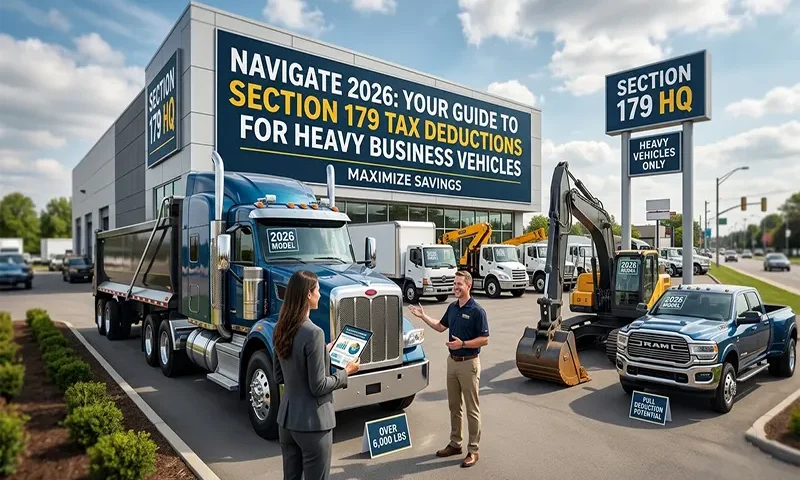
Section 179 Tax Deductions for Heavy Business Vehicles in 2026

For business owners, the tax code is rarely described as “generous,” but Section 179 is the notable exception. In 2026, the intersection of updated inflation-adjusted limits and the recent restoration of 100% Bonus Depreciation under the One Big Beautiful Bill Act (OBBBA) has created a goldmine for those looking to upgrade their business fleet.

If you are considering purchasing a heavy SUV, truck, or van for your business this year, understanding the “6,000-pound rule” could result in writing off the entire purchase price in a single tax year.

1. The Magic Number: The 6,000-Pound GVWR Rule

The IRS distinguishes between “light” passenger vehicles and “heavy” business vehicles based on their Gross Vehicle Weight Rating (GVWR). To unlock the most aggressive tax deductions, a vehicle must have a GVWR of more than 6,000 pounds.

GVWR vs. Curb Weight

It is a common mistake to look at a vehicle’s “curb …

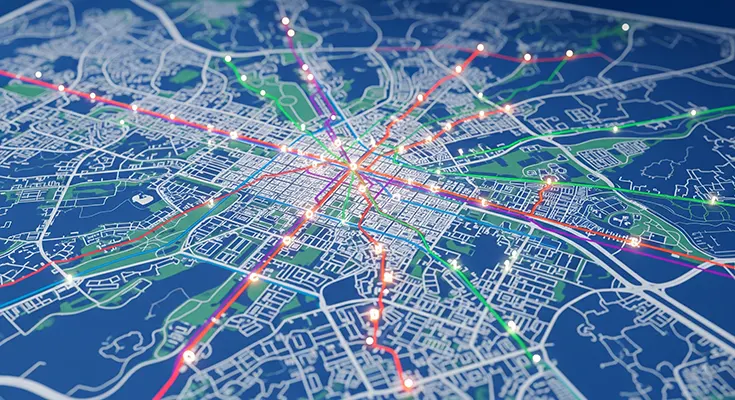
The Blueprint for Mobility: How Urban Planning Impacts Public Transportation Ridership

Public transportation is the lifeblood of a healthy city, easing congestion, reducing emissions, and ensuring equitable access to jobs, education, and services. While factors like fare prices and service frequency are often cited as key to attracting riders, the most fundamental driver of public transport use lies in the very design of our cities. Urban planning, through its decisions on land use, density, and infrastructure, creates the blueprint that either encourages or discourages public transportation ridership.

Density: The Foundation of a Viable Transit System

The most critical factor in the success of public transportation is population and employment density. A bus or a train is a mass-transit vehicle, and it can only be economically viable and efficient if there are enough people to fill it. In a sprawling, low-density city where homes are far from workplaces and amenities, providing frequent and convenient transit service is nearly impossible. Long, winding routes …

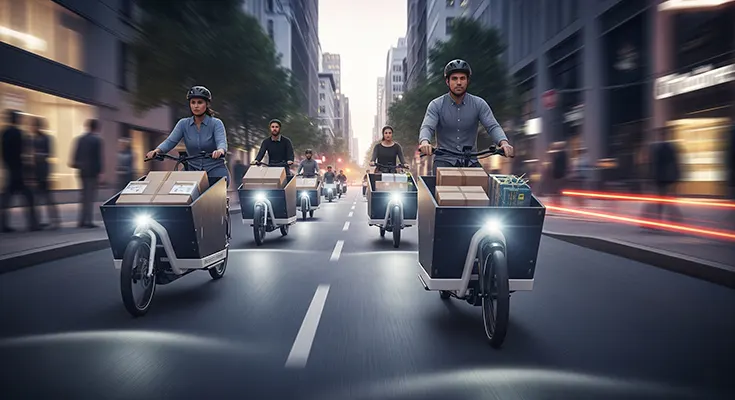
The Silent Revolution: Electric Cargo Bikes Reshaping Last-Mile Delivery

The booming e-commerce sector has brought unprecedented convenience to consumers, but it has also exacerbated urban challenges: traffic congestion, air pollution, and noise. Traditional delivery vans, while efficient for bulk transport, often struggle in densely populated urban cores, leading to delays and environmental impact. Enter the electric cargo bike – a seemingly simple solution that is rapidly emerging as a transformative force in last-mile delivery, silently and sustainably navigating the complexities of modern cities.

The Urban Gauntlet: Why Traditional Methods Fall Short

The “last mile” – the final leg of a product’s journey from a distribution hub to the customer’s doorstep – is often the most expensive and inefficient part of the entire supply chain.

  • Traffic and Congestion: Large delivery vans get stuck in traffic, struggle to find parking, and contribute to gridlock, especially in historic city centers with narrow streets and limited access.
  • Emissions and Air Quality: Diesel and
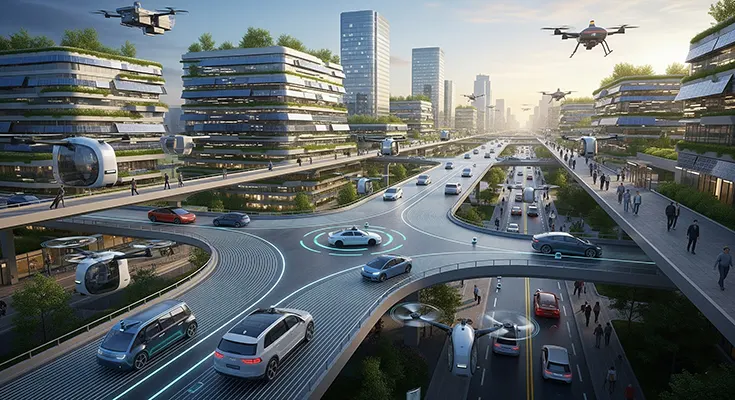
The Connected Metropolis: The Future of Autonomous Transportation in Smart Cities

The vision of a smart city—an urban environment where data, technology, and connectivity enhance the quality of life for its residents—is inextricably linked to the future of autonomous transportation. As autonomous vehicles (AVs) transition from a futuristic concept to a commercial reality, their integration with smart city infrastructure is set to revolutionize urban mobility, promising safer, more efficient, and more sustainable cities. This transformation is not simply about driverless cars; it is about building a new ecosystem where vehicles, infrastructure, and people communicate seamlessly to create a living, breathing, and intelligent network.

From Standalone Vehicles to a Connected Ecosystem

The key to unlocking the full potential of AVs in smart cities lies in their ability to communicate with both each other and the urban infrastructure. This “Vehicle-to-Everything” (V2X) communication is the digital nervous system of the smart city, allowing for a level of coordination and efficiency that is impossible with …

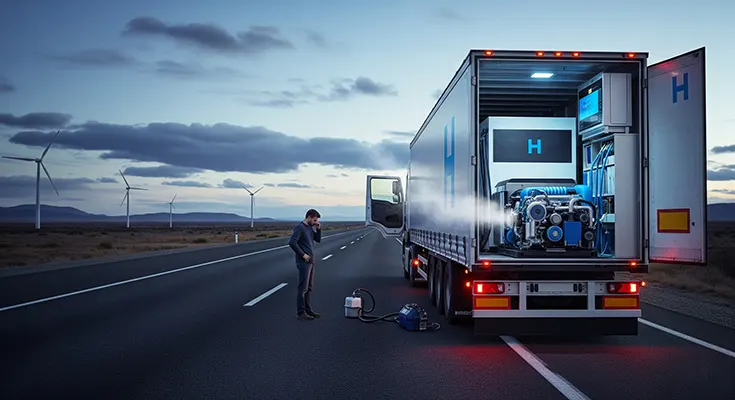
The Hydrogen Hurdle: The Challenges Facing Hydrogen-Powered Commercial Transport

As the world races to decarbonize the transportation sector, hydrogen fuel cells have emerged as a promising alternative for heavy-duty commercial vehicles. For long-haul trucks, buses, and other fleet vehicles, hydrogen offers the potential for long range and quick refueling times, addressing two of the primary limitations of battery-electric vehicles (BEVs). However, despite this potential, the widespread adoption of hydrogen-powered commercial transport faces a formidable set of challenges that must be overcome before it can truly compete with diesel and electric rivals.

The “Chicken or Egg” Dilemma of Infrastructure

Perhaps the most significant and immediate challenge is the glaring lack of hydrogen refueling infrastructure. Unlike the rapidly expanding network of electric charging stations, hydrogen stations are few and far between, often concentrated in specific regions like California or parts of Germany. This creates a classic “chicken or egg” dilemma: fleets are hesitant to invest in hydrogen vehicles without a reliable …