Impact of U.S. and E.U. Tariffs on Chinese EV Market Expansion: The Great Re-Routing of 2026

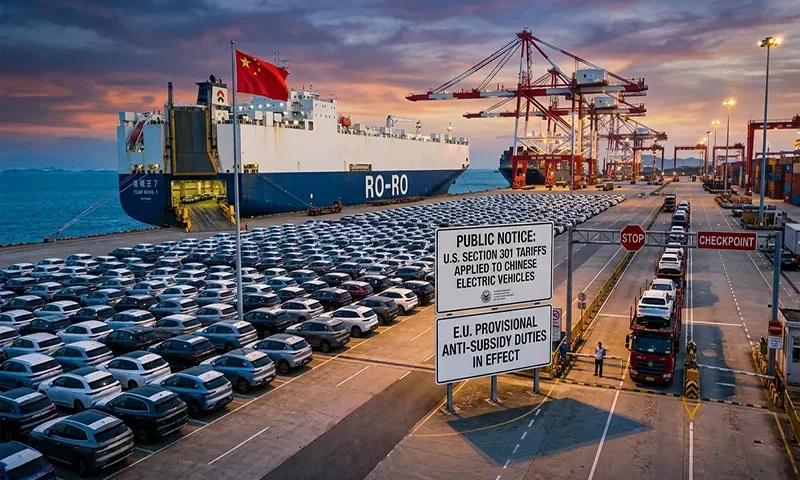
Entering 2026, the global automotive landscape is defined by a new geopolitical “Iron Curtain,” built not of concrete, but of import duties. The widely predicted “tsunami” of cheap Chinese Electric Vehicles (EVs) crashing onto Western shores has been halted, but not by market forces. Instead, a coordinated wall of protectionist tariffs, erected by the United States and the European Union, has forced a massive and historic re-calibration of China’s EV expansion strategy.

The era of direct, high-volume shipping from Shanghai to Los Angeles or Rotterdam is over. In its place, 2026 has given rise to a “Great Re-Routing,” characterized by localized manufacturing hubs within tariff zones, a strategic pivot to the “Global South,” and a complex, contentious exploitation of trade loopholes. The West may have “fortressed” its domestic markets, but it has not stopped the global expansion of Chinese EV dominance.

1. The Tariff Wall: 2026 Status Report

The current …

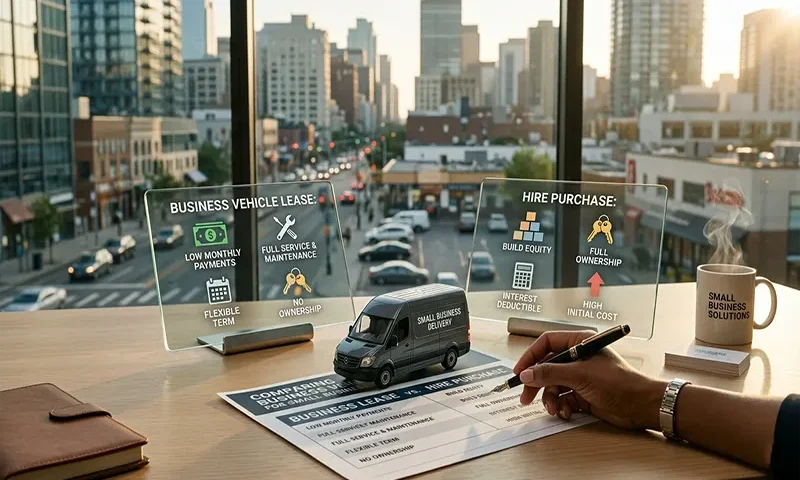
Comparing Business Vehicle Lease vs. Hire Purchase for Small Businesses

In the current 2026 economic climate, small business owners are facing a complex automotive market. With interest rates stabilizing at higher-than-historical averages and the rapid evolution of electric vehicle (EV) battery technology, the decision between “usership” and “ownership” has never been more consequential.

The passage of the One Big Beautiful Bill Act (OBBBA) in the U.S. and the recent HMRC capital allowance adjustments in the UK have redrawn the tax boundaries for vehicle acquisition. Deciding between a Business Contract Hire (Lease) and a Hire Purchase (HP) agreement is no longer just about monthly payments; it’s about strategic tax positioning and risk mitigation.

1. The Case for Leasing: The “Cash Flow” King

Leasing, or Business Contract Hire, is a “usership” model where you pay for the vehicle’s depreciation over a fixed term—usually 24 to 48 months—and return it at the end.

Why Leasing Wins in 2026

  • The “Tech Hedge”: With 2030
Hidden Fees to Avoid in Local Moving Company Quotes: The 2026 Homeowner’s Survival Guide

In 2026, a “low” moving estimate is often the most expensive one you can receive. As the moving industry faces rising labor costs and volatile fuel markets, many local companies have moved away from transparent pricing, hiding their profit margins in the fine print. What starts as a $700 verbal quote on Monday can easily transform into a $1,500 invoice by Friday afternoon.

To protect your budget, you must understand the “triggers” that turn a standard move into a financial nightmare. Here is the investigative guide to the hidden fees currently haunting the 2026 local moving market.

1. The “Access” Ambush: Stairs, Slopes, and Sidewalks

Most movers assume a “perfect” move: a first-floor house with a driveway big enough for a 26-foot truck. If your home doesn’t fit this profile, the fees start stacking immediately.

  • Stair Fees: In 2026, the industry standard has shifted. Many companies no longer just charge
What Approvals Needed for Business Setup in Dubai 2026?

Setting up a business in Dubai remains a highly attractive proposition for entrepreneurs and investors globally, thanks to its strategic location, vibrant economy, and pro-business policies. While the Emirate consistently works to simplify administrative procedures, securing the necessary approvals is a fundamental step for any successful business setup in Dubai in 2026. These approvals ensure legal compliance, protect consumer interests, and uphold Dubai’s reputation as a world-class business hub. Understanding the specific requirements well in advance is crucial for a smooth and efficient launch, allowing businesses to operate legally and effectively from day one.

Key Takeaways

  • All businesses, regardless of size or sector, must secure specific approvals for legal operation in Dubai.
  • The approval process is structured and often sequential, beginning with initial concept and ending with operational permits.
  • Core approvals include trade licenses, initial permits, and potentially sector-specific endorsements from various authorities.
  • Jurisdiction choice (mainland or free zone) significantly
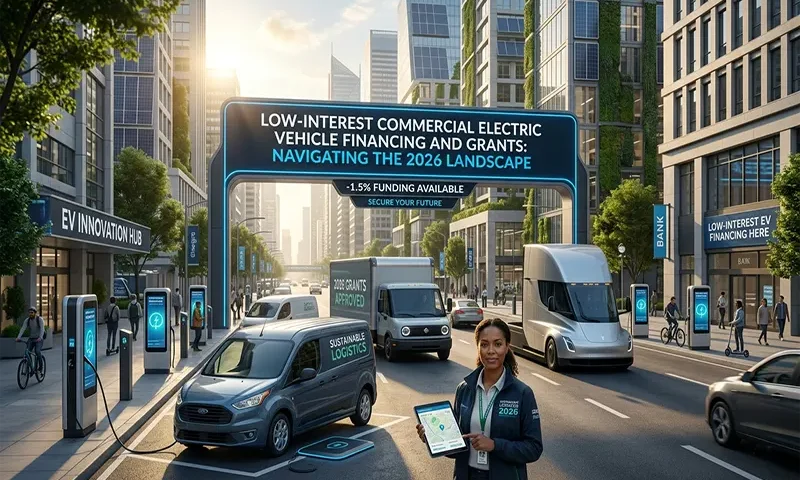
Low-Interest Commercial Electric Vehicle Financing and Grants: Navigating the 2026 Landscape

For fleet managers and business owners, 2026 marks a pivotal “benchmark year” in the transition to zero-emission logistics. The regulatory and financial landscape has undergone a massive shift following the passage of the One Big Beautiful Bill Act (OBBBA). While some traditional federal credits have been phased out, they have been replaced by aggressive loan interest deductions and massive state-level voucher programs.

Navigating this “carrot and stick” environment requires a new playbook. If you are planning to electrify your fleet this year, here is how to maximize the available financing and grants before the 2026 deadlines.

1. The New Federal Financing Strategy: OBBBA & Section 179

The federal approach has transitioned from direct subsidies to incentivizing private financing and immediate capital expensing.

The OBBBA Auto Loan Interest Deduction

One of the most significant additions in 2026 is the Auto Loan Interest Deduction. Under the OBBBA, businesses can deduct …