Shifting Gears: Consumer Trends in the Affordable Eco-Friendly Car Market

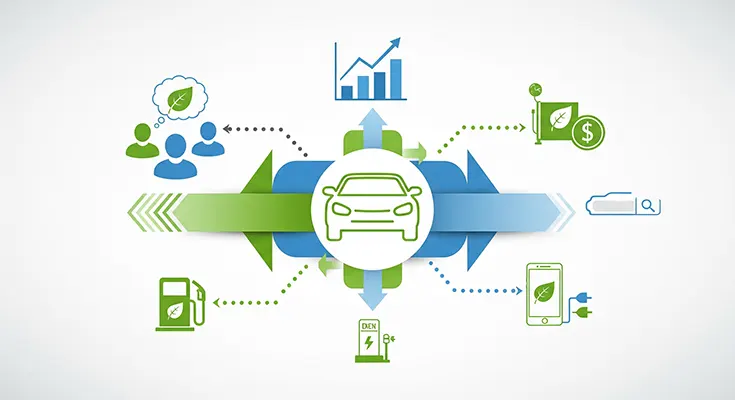
The automotive industry’s green transition is no longer confined to the luxury segment. As environmental concerns, rising fuel prices, and government incentives converge, a new and powerful consumer trend is emerging: the demand for affordable, eco-friendly cars. While electric vehicles (EVs) grab the headlines, a closer look at consumer behavior reveals a more nuanced picture, with affordability, practicality, and a range of powertrain options driving purchasing decisions.

The Hybrid Hinge: A Bridge to a Greener Future

For many consumers, the jump to a pure electric vehicle can seem daunting. Concerns about upfront costs, charging infrastructure, and “range anxiety” remain significant hurdles.1 This is where the hybrid vehicle, and particularly the plug-in hybrid (PHEV), is proving to be a game-changer.

Hybrids offer a compelling middle ground. They combine the low running costs and reduced emissions of an electric motor with the convenience and long range of a traditional gasoline engine.…

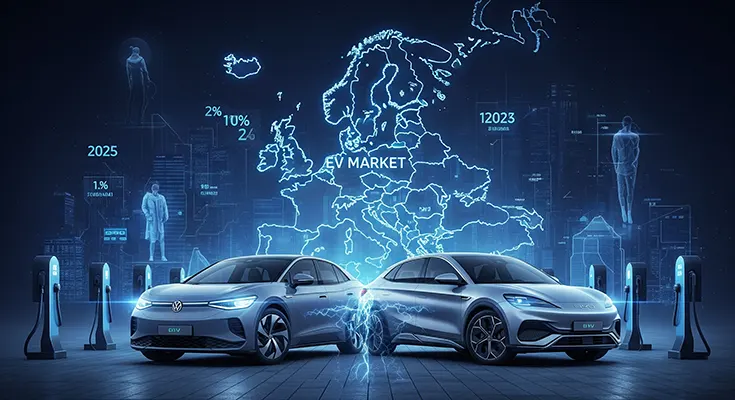
European EV Market 2025: Volkswagen and BYD Lead a Shifting Landscape

The European electric vehicle (EV) market in 2025 is a dynamic arena, marked by intense competition and a significant shift in brand leadership. Driven by tightening emissions regulations and a growing consumer appetite for sustainable mobility, the market has seen both established European giants and ambitious new players from Asia vying for dominance. As the first half of the year concludes, key trends are emerging that define the competitive landscape.

A New Leader: Volkswagen Group’s Electrified Ascent

In a notable turn of events, the Volkswagen Group has cemented its position as Europe’s leading manufacturer of battery electric vehicles (BEVs). The German automotive giant’s comprehensive strategy of launching a diverse range of electric models across its brands, including Volkswagen, Audi, and Skoda, is paying dividends. The Volkswagen ID.4 and ID.7, along with the popular Skoda Enyaq, have all consistently ranked among the best-selling electric cars in the region, showcasing the group’s …

The Unseen Driver: How the Semiconductor Shortage Derailed Automotive Production

For an industry built on the principles of precision and just-in-time manufacturing, the global semiconductor shortage of recent years was a seismic event. What began as a ripple in the supply chain during the early stages of the COVID-19 pandemic quickly cascaded into a full-blown crisis, forcing car manufacturers worldwide to idle assembly lines, slash production targets, and fundamentally rethink their entire business model. The impact was profound, revealing the deep-seated vulnerabilities of a modern automotive world increasingly reliant on tiny, indispensable chips.

The Perfect Storm: Causes of the Shortage

The semiconductor crisis was not a single event but a perfect storm of converging factors. When the pandemic hit in early 2020, automakers, anticipating a sharp decline in consumer demand, drastically cut their orders for chips. At the same time, lockdowns and the shift to remote work fueled a massive surge in demand for consumer electronics, from laptops and smartphones …

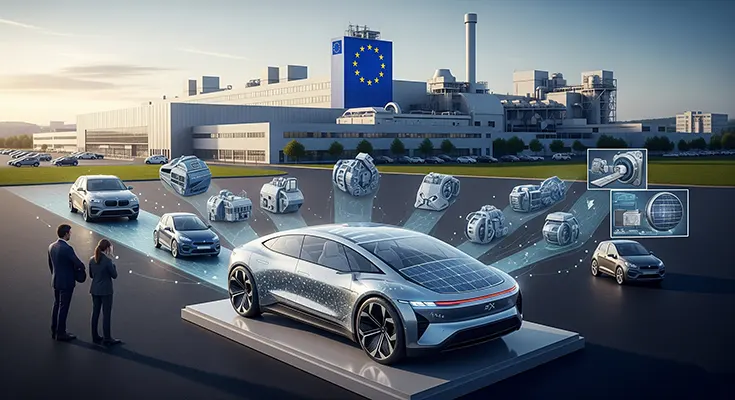
Steering Towards Sustainability: The Impact of EU Emissions Regulations on European Car Manufacturers

The European Union has consistently been at the forefront of global efforts to combat climate change, and its ambitious emissions regulations have had a profound and transformative impact on the automotive industry. For European car manufacturers, these regulations are not merely guidelines; they are powerful drivers of innovation, strategic shifts, and, at times, significant challenges. From the early Euro standards to the stringent CO2 targets, EU policies have fundamentally reshaped how cars are designed, produced, and marketed across the continent.

The Genesis of Change: Euro Standards and CO2 Targets

The journey began decades ago with the introduction of “Euro” emissions standards, progressively limiting pollutants like nitrogen oxides (NOx) and particulate matter (PM) from vehicle exhausts. These standards pushed manufacturers to develop more efficient internal combustion engines (ICE) and advanced exhaust after-treatment systems.

However, the most significant shift came with the implementation of fleet-wide CO2 emission targets. Starting with the 2020/2021 …

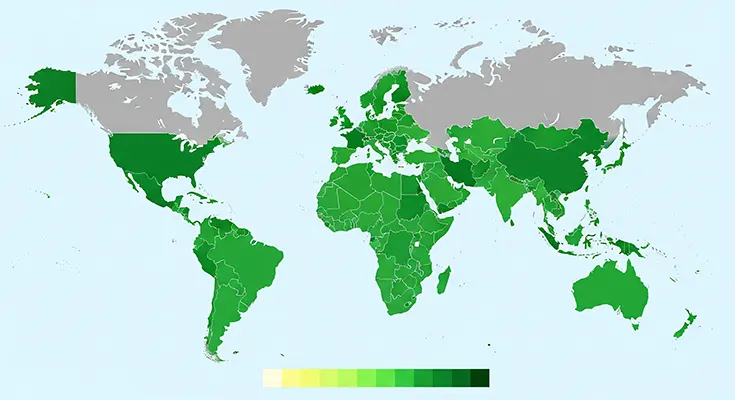
The Global EV Race: A Country-by-Country Breakdown of Market Share

The global automotive landscape is in the midst of a historic transformation, with electric vehicles (EVs) at the forefront. As nations worldwide commit to ambitious climate goals and technological innovation, the EV market is experiencing explosive growth. While total sales continue to climb, a closer look at the market share by country reveals a diverse and competitive landscape, with different regions leading in various aspects of the EV revolution.

The Undisputed Leader: China’s Dominance

When it comes to sheer volume and market share, China is the undisputed global leader. The country’s electric vehicle market is a colossus, with EV sales reaching unprecedented levels. In 2024, China’s EV sales accounted for nearly two-thirds of the global total, with electric cars making up almost 50% of all new car sales in the country. This remarkable growth is driven by a combination of strong government policies, including generous subsidies and a credit system …